Air New Zealand · Tech Ops Supply Chain Internship

Maxwell Bennett

I've been running supply chains for five years. I just called it landscaping.

Bachelor of Commerce at the University of Auckland, majoring in Supply Chain & Operations Management and Information Systems. Before that I spent five and a half years as a Landscape Foreman: six crew, thirty-plus projects, every supplier and subcontractor on the job, and budgets up to $250,000.

Available Nov 2026 to Feb 2027, full-time Penultimate year · returning 2027 Auckland · NZ citizen
Scroll
5.5
Years leading
a crew on site
6
Landscapers
reporting to me
30+
Projects delivered
across Auckland
$250k
Largest project
budget owned
01 / THE SHORT VERSION

Most people applying for this internship are learning supply chain from a textbook.

I've been doing a version of it since I was twenty. I'm at university now to learn why it worked.

At nineteen I was a labourer. Within a year I was a Foreman at Urbis Landscapes, reporting straight to the Director. For the next five and a half years the job was sourcing materials and tooling, holding suppliers and subcontractors to price and quality, sequencing six people across live sites, and getting thirty-plus projects finished inside budgets that ran from $10,000 to $250,000.

Nobody on that site called it procurement or materials planning. That's what it was.

I went back to study because I wanted the formal side of it: the models, the systems and the language behind decisions I'd been making on instinct. Tech Ops is where I want to put the two together.

I've never had a job where materials turning up late wasn't my problem.

MBMaxwell Bennett
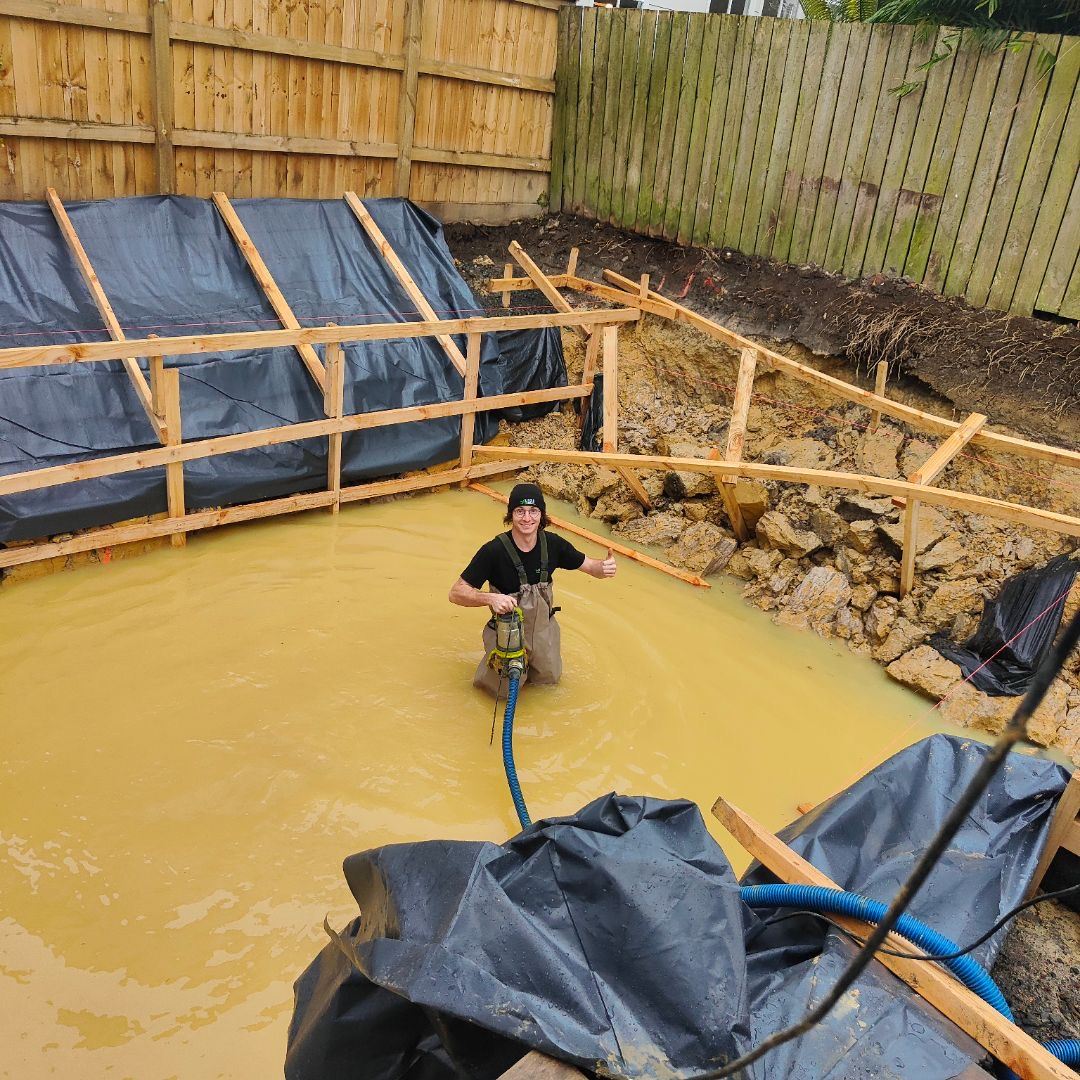
Maxwell Bennett on site during a pool excavation

Maxwell Bennett, Auckland
BCom (SCM & Ops / Information Systems), UoA

02 / AGAINST YOUR CRITERIA

I meet all five.

You listed five things. Here they are with my honest answer against each one.

Ref MB / TECHOPS / SC26 Posting Supply Chain Internship, Auckland Term Nov 2026 to Feb 2027 Criteria met 5 of 5
In your penultimate year of study and returning to university in 2027
Yes, second year of threeBCom started Feb 2025, graduating Nov 2027. 2026 is my penultimate year and I return full-time in 2027.
Studying a BCom specialising in Supply Chain or Operations Management, or a Bachelor of Information Systems
BothI'm majoring in Supply Chain & Operations Management and Information Systems. I picked both on purpose, because the planning side and the systems side are the same job now.
A strong analytical thinker with excellent problem-solving skills
Tested on real moneyFive years of explaining the gap between a quoted budget and the real one to a Director, plus a Level 4 Certificate in Project Management. More detail further down.
Curious, adaptable and eager to learn
Career-changed at 24I left a foreman's wage and a crew I'd built to start a commerce degree from first year, because I wanted to do this work at a bigger scale.
Available to work full-time from November 2026 to February 2027
Fully availableAuckland-based with no summer commitments. I've worked full-time on sites since 2019, so a full-time summer is normal for me.
03 / WHAT TRANSFERS

Four things I've already done that this job needs.

Landscaping and aircraft maintenance have almost nothing in common. The supply chain behind them has a lot.

01

Sourcing, suppliers and third-party logistics

On site
Sourced materials and tooling for every job and dealt directly with suppliers and third-party contractors, holding both to price and to quality. Supplier relationships were mine to build and mine to lean on when a delivery slipped.
Why it matters at Tech Ops
New Zealand sits at the end of one of the longest supply lines in the developed world. Lead times, supplier reliability and landed cost aren't a lecture topic for me. They were what I got measured on every week.
02

Inventory and materials planning

On site
Planned what needed to be on site, in what quantity, on which day, across multiple concurrent projects, with nowhere to store surplus and no tolerance for a shortfall.
Why it matters at Tech Ops
That's the same trade-off your team makes on parts and consumables. Hold too much and you've tied up money; hold too little and the work stops. I've got both of those wrong before and learned from it.
03

I can talk to engineers

On site
Five and a half years on the tools, then leading tradespeople. I've spent my working life alongside people who build and fix things, and I understand how they think about a job.
Why it matters at Tech Ops
This role sits between planners and the maintenance floor. Most commerce students have never worked with a tradesperson and find that part hard. For me it's the most familiar bit of the job.
04

Safety I've been accountable for

On site
Accountable for quality and safety standards on every residential and commercial project, for a crew of six, with no exceptions made for a deadline.
Why it matters at Tech Ops
Air New Zealand is a safety-led business and aircraft maintenance is the sharp end of it. I've worked where a shortcut hurts somebody, and I was the person responsible for making sure nobody took one.
The bit I keep coming back to

If a part doesn't turn up, the aircraft doesn't fly. If my materials didn't turn up, six people stood in a client's yard doing nothing, and I was the one explaining it.

The stakes aren't comparable and I'm not going to pretend they are. But I know what it feels like when a supply chain misses, because I've had to stand in front of someone and explain why, then change how we ordered so it didn't happen twice.

04 / THE CHAIN

I've stood in every link of a small one.

A landscaping supply chain is the same five steps as an aviation one, just shorter and cheaper. I ran all five myself.

01 Source Priced and negotiated with suppliers and subcontractors on every job
02 Freight Chased deliveries and third-party contractors to a date that actually held
03 Hold Decided what to keep on site and what to call in, with nowhere to store surplus
04 Issue Right materials, right crew, right morning, or six people stood still
05 Deliver Thirty-plus projects handed over inside budget and to standard
What changes at Tech Ops

The same five steps, except the lead times are measured in weeks instead of days, the parts are certified, the freight crosses oceans, and step five is an aircraft going back on schedule instead of a driveway getting signed off. The scale and the stakes are the part I want to learn. The shape of the problem I already know.

05 / THE WORK

Thirty-plus projects. Here's what that looked like.

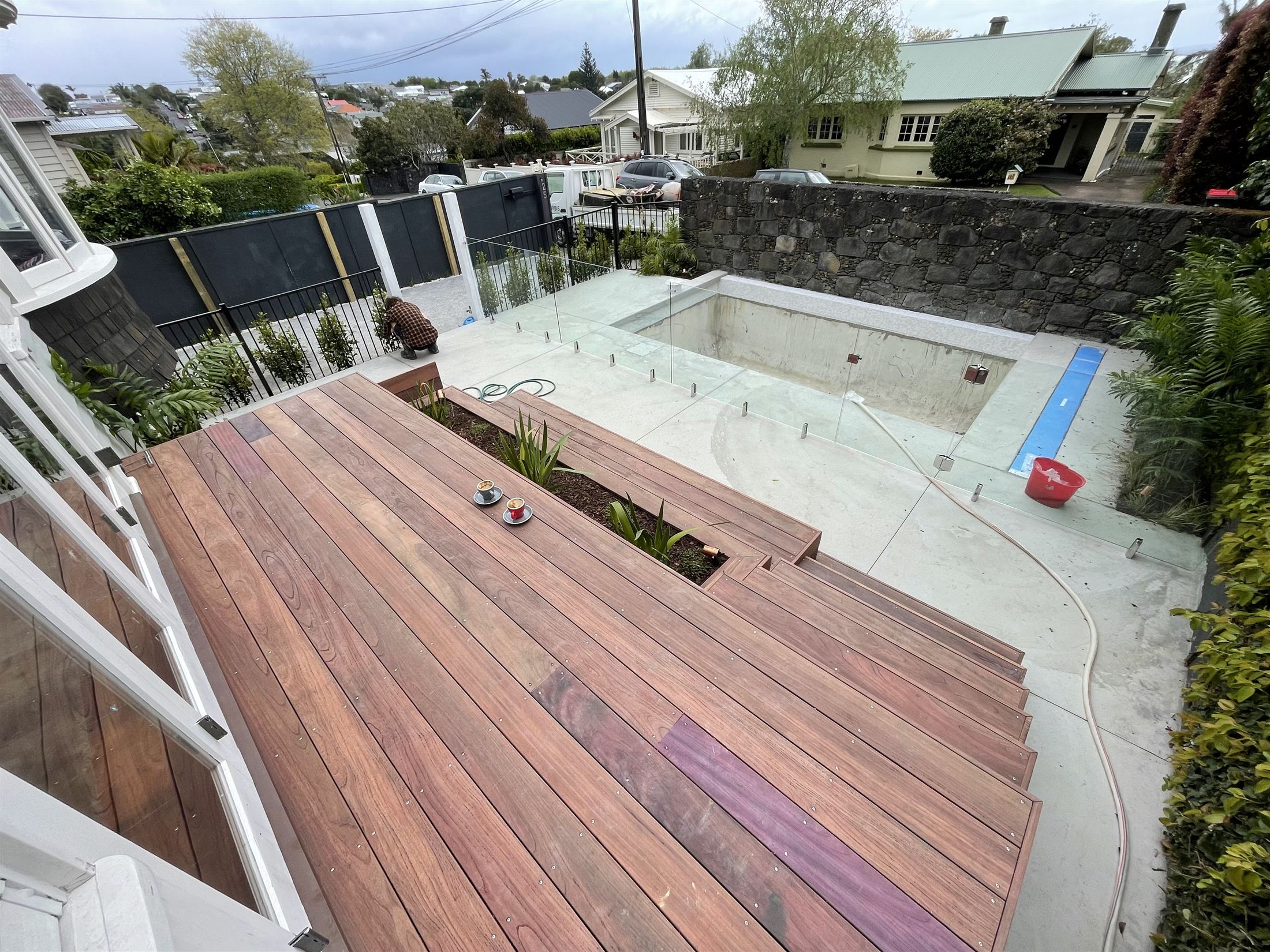
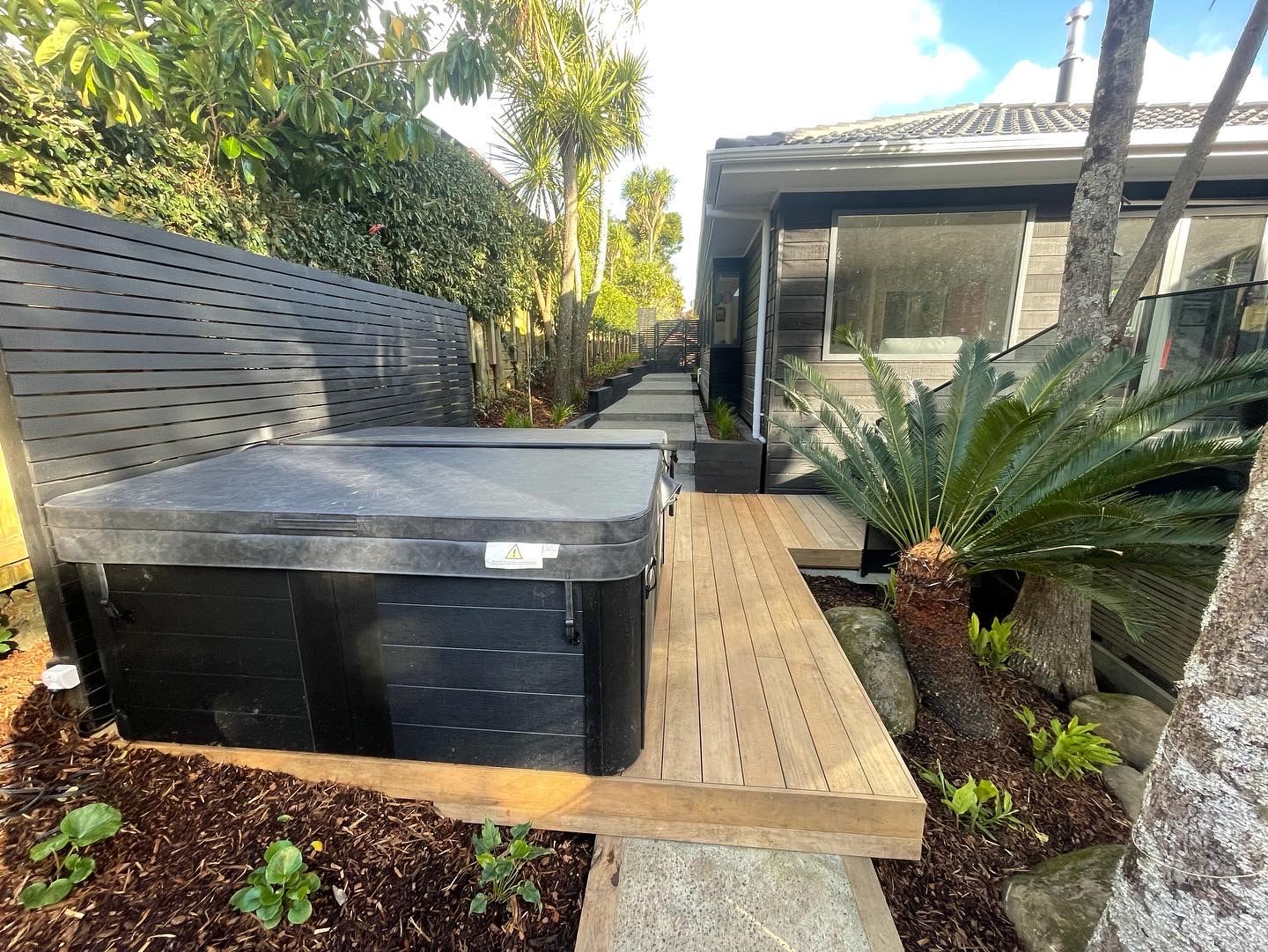
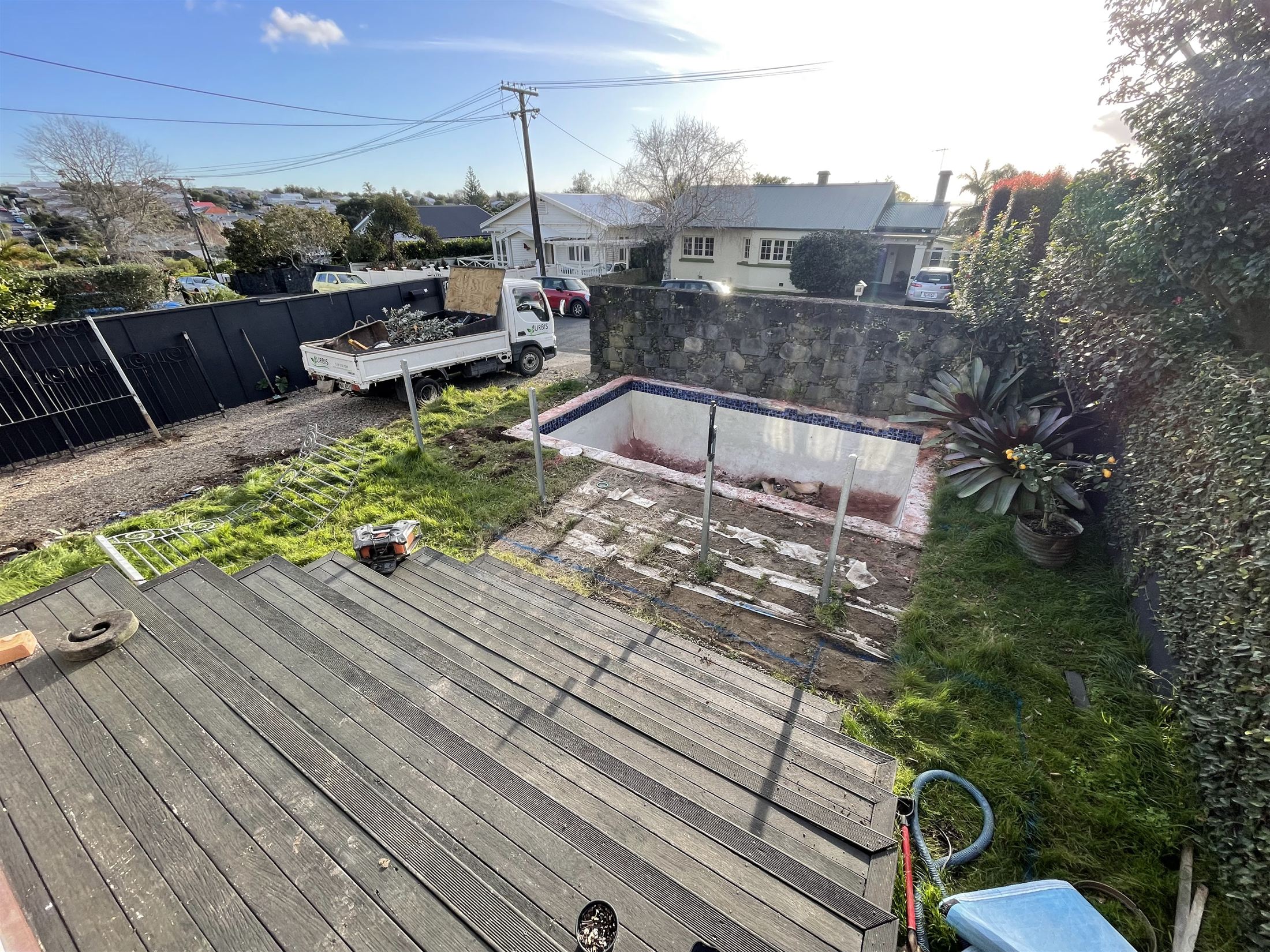
Same yard, start and finish. Every material in these photos was something I priced, ordered, chased and booked in.

Before Auckland residential site mid-project, pool shell and old deck
Mid-project. Pool shell in, old deck out, site stripped and set out.
After The same Auckland property on handover, new deck, pool and glass balustrade
The same yard on handover. New deck, pool surround, glass balustrade and planting.
Delivered Completed Auckland landscaping project with spa, deck and planting
Another Auckland build. Spa, deck and planting, delivered to quote.
06 / TRACK RECORD

Where I've worked.

2017

Building Labourer

Douglas Building
First site, while I was still at school. Material handling, site prep and cleanup for tradespeople.
2019

Landscaper

Gardens By Glover
A team of two, a portfolio of residential clients, and my own daily schedule to organise and prioritise across multiple sites.
2020

Landscaper → Foreman

Urbis Landscapes
Promoted to Foreman within a year of starting as a labourer. Six crew, 30+ projects, budgets to $250,000, reporting to the Director. Held the role for five and a half years.
2022

NZ Certificate in Project Management (L4)

NMIT · plus L4 Horticulture
Urbis put me through it after my first year as Foreman. It was the first time I saw the formal structure behind what I'd been doing by feel, and it's a big part of why I went back to university.
2025

Bachelor of Commerce

University of Auckland · to Nov 2027
Supply Chain & Operations Management and Information Systems. Left a foreman's wage to start again as a first-year.
2026

Sales Assistant

Bivouac Outdoor, Newmarket
Technical alpine and outdoor equipment. Taking complicated specifications and turning them into advice a customer can actually act on.
07 / THE ANALYTICAL BIT

You asked for a strong analytical thinker.

It's the hardest thing for a student CV to prove. Here's what I've actually got.

Budget variance, with a Director asking

Every project ran against a quote. When the real cost drifted from the quoted cost I had to find out where, why, and what to change. Five years of that with real money on it taught me more than a case study would have.

Information Systems, deliberately

I paired Supply Chain & Operations with Information Systems because modern supply chains are only as good as the systems and data underneath them. I want to be useful on the systems side too, not just the person reading the report.

Formal project management training

NZ Certificate in Project Management (Level 4) through NMIT, funded by my employer while I was leading the crew. Scoping, sequencing, resourcing and risk. I'd do the coursework and use it on site the same week.

Fixing things properly

When something went wrong on site it went wrong loudly and it was mine to sort out for good. Find the cause, change the process, check it held. That's the habit I'd bring to a process improvement project.

08 / OUTSIDE WORK

Outside work and study.

Where a fair bit of the work ethic came from.

Tae Kwon Do, 15 years

First-degree black belt, trained and competed from primary school into my twenties. The results are below, but the useful part was fifteen years of turning up to training on the days I didn't feel like it.

  • 4× Auckland regional sparring champion
  • 4× New Zealand sparring champion
  • 2nd, special technique, Sydney World Cup 2018

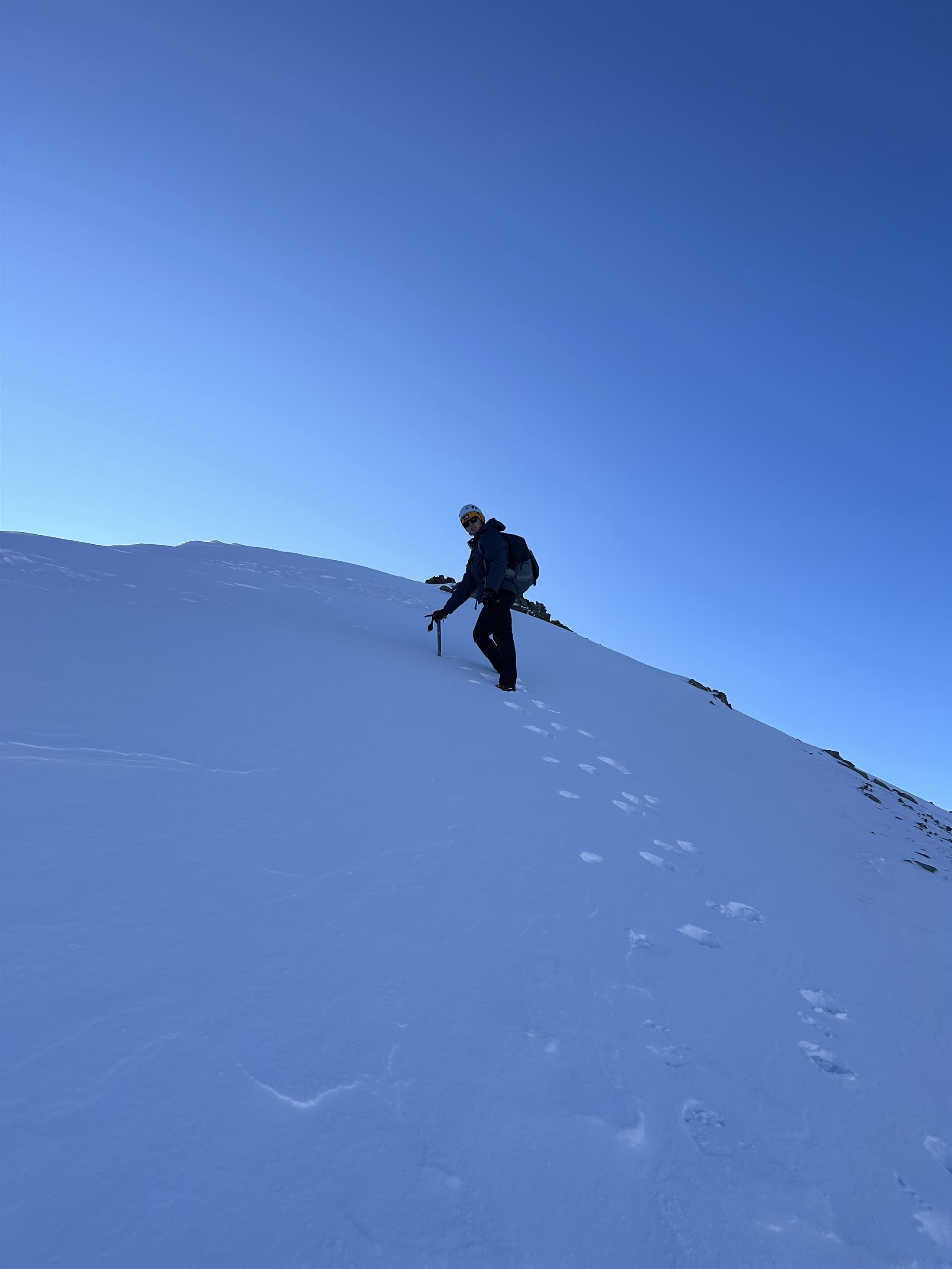
Alpine mountaineering

Maxwell Bennett on a snow ridge during an alpine mountaineering course

Recently completed an alpine mountaineering course at The Remarkables. Most of it is planning: checking conditions, packing for what might go wrong, and being willing to turn back when it isn't working.

  • Risk assessment with real consequences
  • Planning around things you don't control
  • Feeds directly into my work at Bivouac

Football

Still playing. After five years running a crew I'd rather be in a team that needs each other than doing something on my own.

  • Weekly, in season
  • Auckland
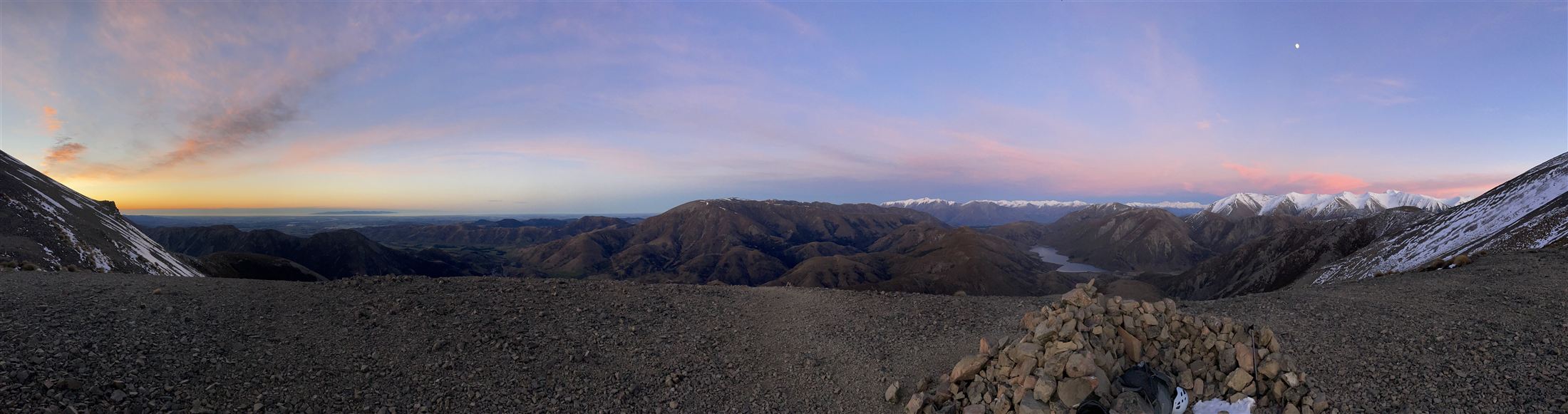
Sunrise panorama from a summit in the Southern Alps
Southern Alps, first light
09 / WHY THIS ONE

I want to do this job at a bigger scale.

I've run the version of it where the supply chain is a ute, a yard and a phone full of suppliers. I was good at it. I also hit the ceiling of what it could teach me, which is why I went back to university at twenty-four.

Tech Ops is the other end of that. Parts and tooling moved across the world to keep a fleet safe and on schedule, with engineering, maintenance, suppliers and logistics partners all needing to agree. I want to learn that from people who do it properly.

I'd be starting near the bottom of a much bigger organisation. I've done that before and it went alright.

Straight up

I haven't worked in aviation. I haven't done a corporate internship. My Excel is a student's, not an analyst's, and I'd have a lot to learn in the first month.

What I have done is five and a half years of getting the right materials to the right place on the right day, with real money and other people's time riding on it.

I'd rather be judged on that than on a cover letter.